
Lovely Day is a comedic film directed by Philippe Falardeau which portrays a chaotic wedding day filled with family tensions and personal anxieties. Despite some character depth issues, it offers an entertaining, unpredictable experience.
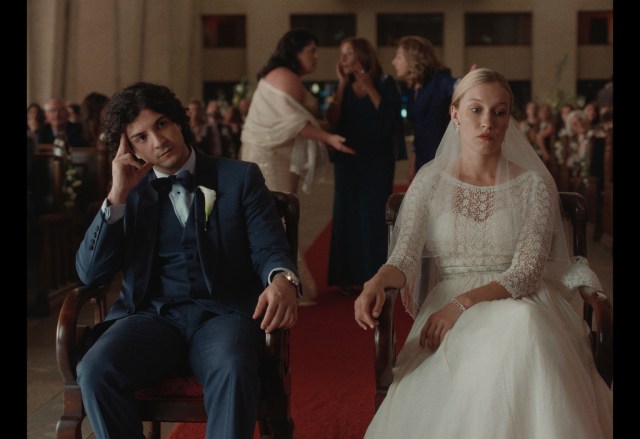
Lovely Day is a comedic film directed by Philippe Falardeau which portrays a chaotic wedding day filled with family tensions and personal anxieties. Despite some character depth issues, it offers an entertaining, unpredictable experience.

Ulises Porra’s debut film “Under the Same Sun” excels in its cinematography by Sebastián Cabrera Chelin, capturing the natural beauty of Hispaniola. It revolves around three diverse characters—a Spanish heir, a Chinese silk maker, and a Haitian deserter—navigating personal ambitions amidst colonial challenges. The film critiques colonial exploitation while offering a fresh perspective on its historical themes.
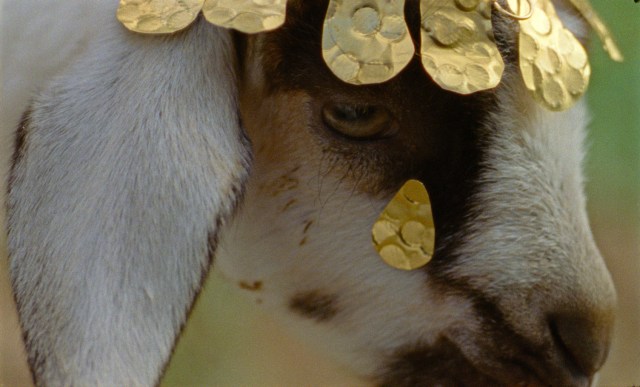
Maureen Fazendeiro’s debut film is a blend of documentary, travelogue, and visual poetry, exploring the Portuguese region of Alentejo. It reflects on its past and present, showcasing cultural rituals and the serene life of its rural community. The film, while not exhaustive, honours the region’s enduring traditions amidst changing times.

Christian Petzold’s “Miroirs No. 3” is a restrained yet poignant tale of grief, healing and unlikely connection. Eschewing dramatic twists, the film emphasizes quiet empathy, emotional recovery, and the redemptive power of art, music, and companionship.

Karla Badillo’s debut film “Oca” centers on a young nun grappling with her faith as various characters embark on a journey to a town in the Mexican desert. While visually striking and featuring a surprising ending, the film suffers from a lack of relatable characters, making it difficult for audiences to engage emotionally.

Mark Jenkin’s “Rose of Nevada” creates a dreamlike quality with its post-production sound, exploring themes of loss and temporal dislocation. It forces characters and viewers alike to confront deep emotional realities amid its stunning craftsmanship and surrealist elements.
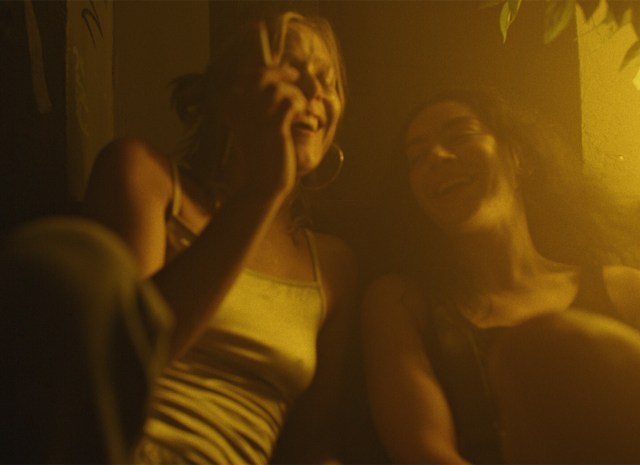
Charli XCX makes her acting debut in the low-key Polish film Erupcja, where she plays Bethany, a young Brit caught in emotional turmoil amidst a volcanic eruption. The film explores complex relationships without judgment, highlighting the distinct desires of each character.

Georgian filmmaker Alexandre Koberidze’s film “Dry Leaf,” shot on an outdated cellphone, challenges conventional cinematic norms with its three-hour, low-fidelity presentation. It invites viewers to embrace its artistic uniqueness rather than focus on narrative fulfillment. The film explores beauty in simplicity and encourages deeper reflection on artistic expression beyond technological advancements.

Valentyn Vasyanovych’s film “To the Victory!” intertwines autofiction and metafiction, exploring postwar Ukrainian identity after the 2022 Russian invasion. The film delves into the struggles of returning—both to self and homeland—juxtaposing personal and national concerns while portraying Vasyanovych’s creative tensions and the complexities faced by displaced Ukrainians.
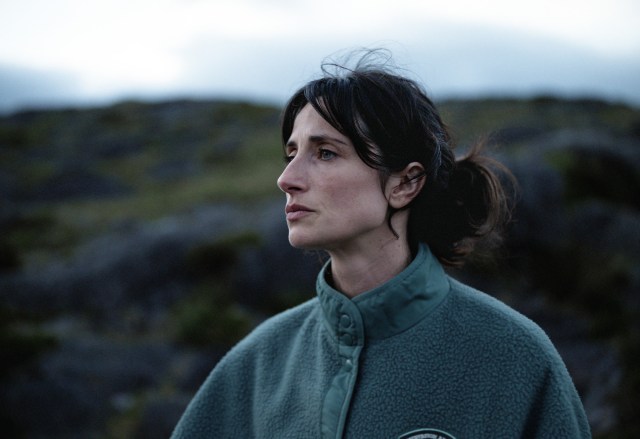
Nanouk Leopold’s film “Whitetail” follows Jen, a forest ranger haunted by a traumatic past. As she confronts new threats in her community and the return of her ex-boyfriend, emotional struggles and unresolved memories resurface. While the cinematography beautifully captures Ireland, the film’s pacing suffers, resulting in a bittersweet yet melancholic experience.
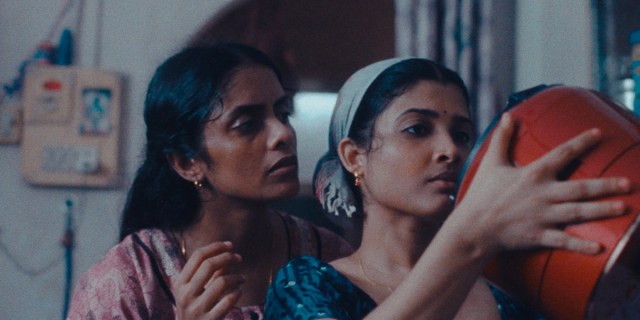
Payal Kapadia’s “All We Imagine as Light” captures the complexities of women’s lives in cosmopolitan Mumbai, addressing marriage, societal norms, and displacement. The film’s shift to coastal Ratnagiri adds a magical touch, culminating in a triumphant bond between the main characters.

Matthew Rankin’s loving mélange of influences from Iranian cinema, which turns Canada into a land of predominantly Farsi and French speakers in “Universal Language,” is a hypnotic oddball, with delightful side plots and a surprising appearance from the artist himself.

“Sad Jokes” follows Joseph, a gay screenwriter struggling with personal and familial challenges. While some characters feel underdeveloped, the film ultimately delivers some potent introspection, culminating in a poignant ending.

“Really Happy Someday” by J Stevens portrays Z’s journey adapting to a deepened voice after hormone therapy. Despite familiar struggles, the film ultimately finds triumph and serenity through superb acting and sensitive direction.

Viktor Korotovskyi, a Deaf Ukrainian man, transcends his limitations to become a photojournalist on the frontline, capturing the brutality of war and finding purpose in the midst of tragedy.
 The Lonely Film Critic