This one’s hard to talk about. Not because of the material, which cuts right into you like a knife with jagged edges, but because the way the material is executed is… rough. Like, holy-hell-this-is-making-me-very-uncomfortable-right-now rough.

This one’s hard to talk about. Not because of the material, which cuts right into you like a knife with jagged edges, but because the way the material is executed is… rough. Like, holy-hell-this-is-making-me-very-uncomfortable-right-now rough.

Like Lynch’s own filmography, The Art Life will be appreciated by many and infuriate countless others.
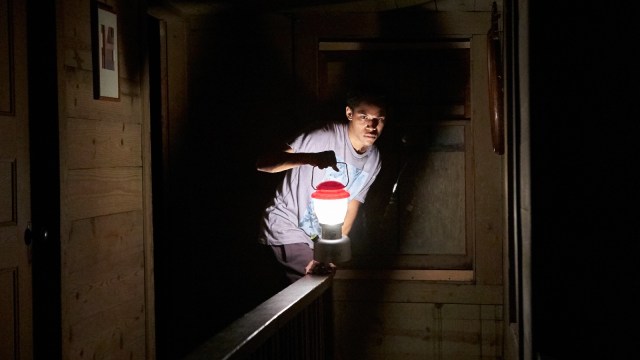
Krisha was really great, so naturally I was excited to see what Trey Edward Shults would do as a follow-up. The ultra-personal, aggressively glum It Comes at Nightwas not quite what I was expecting.
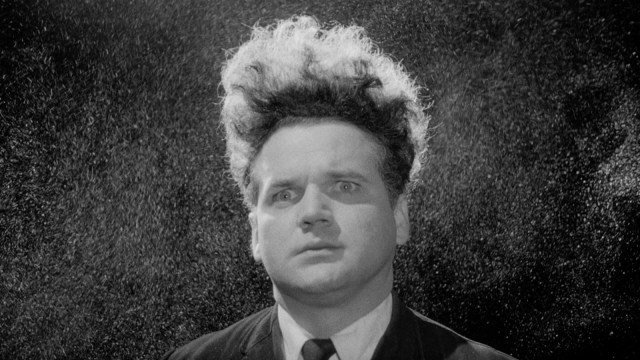
I don’t disagree with people who say there are whiffs of “student art film” about David Lynch’s debut. The surrealist master was still testing the waters with Eraserhead, experimenting with themes and ideas that he would perfect much later in his career.

It’s amazing how much discourse mother! has been able to generate since its release. It’s got its die-hard fans, die-hard haters, Aronofsky apologists, offended parties and indifferent viewers all adding something to the conversation in a way that I’m not sure is comparable to another film released this year.

You can always count on F.W. Murnau to deliver the goods. Nosferatu—though a blatant act of plagiarism—changed the landscape of horror films forever, bringing in the mood and character that allowed the genre to reach new heights in the ensuing decades.

When I saw Stronger’s trailer, I’ll admit I was somewhat wary. I’m not here for patriotic faffing if nothing intelligent is going to come of it. So colour me surprised when the reviews started pouring in, and most of them were quite positive.
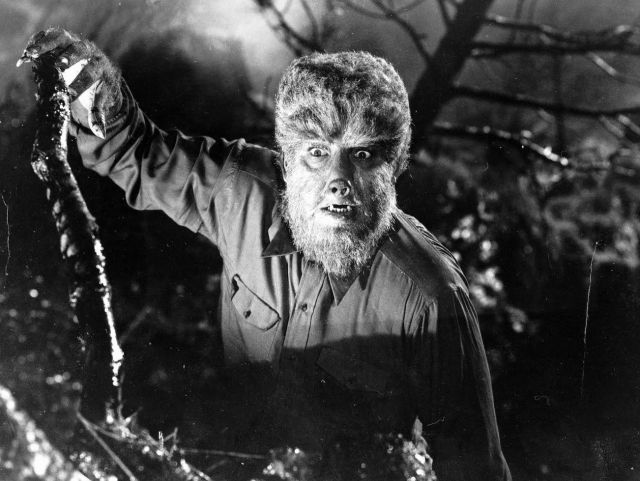
I was looking forward to The Wolf Man in the way you normally would look forward to a Universal monster movie from the ‘40s: hoping for some fun costuming, lavish sets, barrels of fog and a few slight chills up the spine. I got most of those things, sure.

House on Haunted Hill is, like most William Castle films, a gimmicky bauble that puts all reason to the side and wants nothing more than to entertain you. And it succeeds, at least for me.

Yikes. Any film that ends with an Indian subject kissing the bust of Queen Victoria is bound to get into trouble, and Victoria & Abdul deserves it, I’m sorry to say.

What could have been an unimaginative retread of Jane Eyre is instead an immersive daydream of a film, all thanks to Jacques Tourneur’s superb eye for framing shadows and enhancing his story’s psychological unease.

Contained in a claustrophobic bunker for much of its running time, 10 Cloverfield Lane is an exercise in scouting out trust.
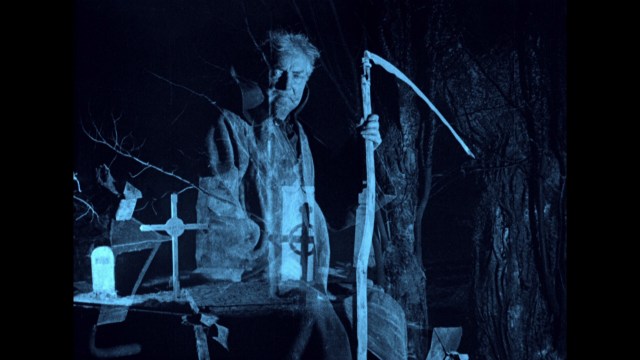
The level of refinement in this film—one made in 1921, almost a century ago—is astonishing. The double exposure used to give transparency to the phantoms is artfully done, certainly, and the acting is more nuanced and intuitive here than in most films released this decade.

In terms of blockbusters from this year, this one really takes the cake, doesn’t it? One can picture Villeneuve paring his nails while overseeing this endeavour, exuding an air of confident control as the vision of Philip K. Dick and Ridley Scott lands in his capable hands.

The plot of The Uninvited is almost like a reconceptualization of Daphne de Maurier’s Rebecca, and the Hitchcock adaptation was released a few years before this. So it’s hard not to compare them.
 The Lonely Film Critic