The Big Sick will not win any awards for its direction or style. And I’ll admit that that bothered me for the first half hour or so. It’s not an interesting film to look at, and Michael Showalter doesn’t seem to try giving it a boost in that area.
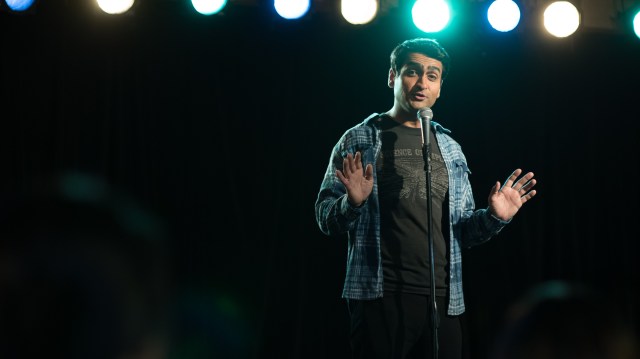
The Big Sick will not win any awards for its direction or style. And I’ll admit that that bothered me for the first half hour or so. It’s not an interesting film to look at, and Michael Showalter doesn’t seem to try giving it a boost in that area.

Everywhere you look is a story unfolding. Everything explodes with potentiality. From the crumbs of the mundane comes something magical and alive, and you must train your eyes to see it.

The ending of Marjorie Prime is magnificent. It’s the sneakiest of culminations, summing up everything that comes before it while giving significant payoff to a key “omission.”
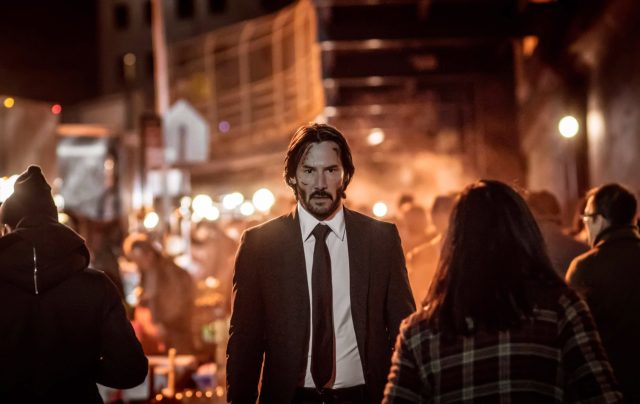
Am I no fun? Because I think John Wick: Chapter 2 is just okay. Not bad, not amazing, and certainly not as good as the first film.

Boy, is Murder on the Orient Express a hard book to adapt. Everything lies in that ingenious solution, and for it to work, a number of elements need to be kept intact. The most important one? The number of suspects.

Shockingly, I may have underestimated The Florida Project when I saw it two months ago. I praised it highly then… and yet, after seeing it again tonight, I think I didn’t praise it enough. Because there’s virtually nothing wrong with it.
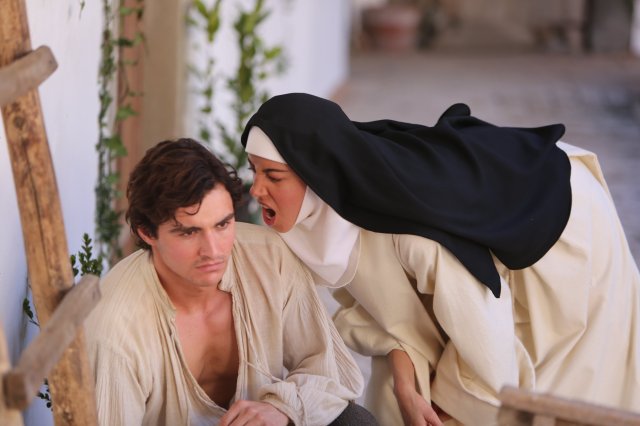
The Little Hours is one of those films that can be enjoyed in the moment, but afterwards leaves you wondering why it exists.

Remaking what is arguably one of the best animated films ever made is inevitably going to result in backlash, because why have an inferior facsimile when you can cherish the real thing?

There’s nothing wrong with Marc Webb’s Gifted. It’s heartwarming without being saccharine, blessed with a strong, feisty performance from young Mckenna Grace.
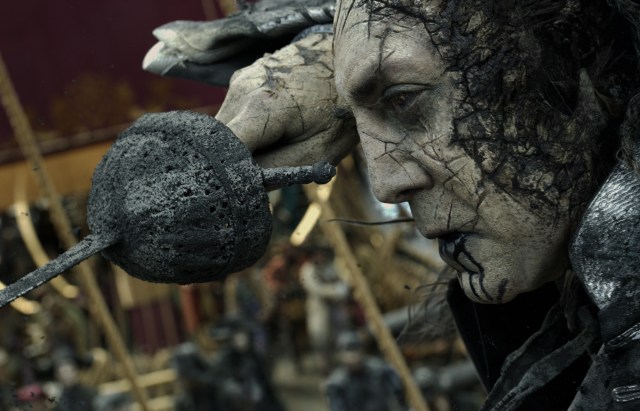
Like many franchises, Pirates of the Caribbean should have walked the plank after its third entry—and even then, it had already overstayed its welcome.

Jordan Peele has crafted a fantastic send-up of some of pop culture’s most famous horror stories (Ira Levin’s, in particular), mixing it together with a screamingly good social satire that skewers those fluffy white, bourgeois liberals who, gosh darn, try so hard to prove they’re not racist, and in the process show that, yeah, they really are (even if unintentionally).

Matt Spicer’s Ingrid Goes West juggles a boatload of contemporary issues, whether it be the influx of social media influencers who take pictures of trendy foods, furniture and art as their primary source of income, or people living “auxiliary” lives who crave the world’s approval.

Awww, this was magical. I have a soft spot for adorable fantasy critters, and Okja the superpig takes the cake. The way Mija, our pint-sized heroine, bonds with her pet is so beautiful, and as an animal lover myself, my heart was swelling at their interactions.

Edgar Wright’s innate savviness is on full display here, especially during the first half: the diegetic sound squarely in Baby’s ears being grafted into the minutiae of the real world, the songs seamlessly orchestrating the sheer joie de vivre of adrenaline rushes and high octane pedal-to-the-metalling.
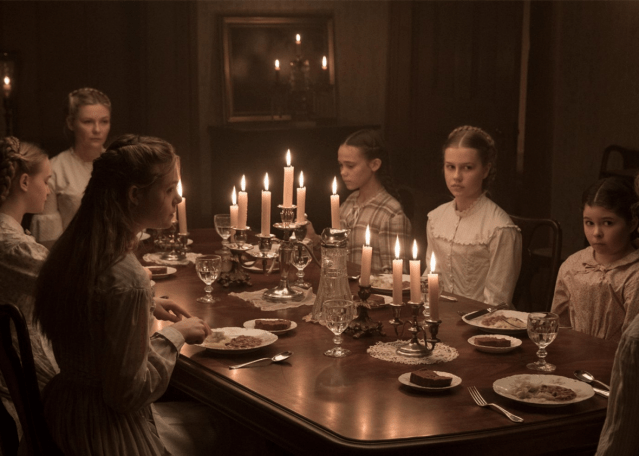
In a sense, I’m glad I haven’t seen the 1971 film prior to watching Sofia Coppola’s version—the inevitable comparisons would have clouded my judgment and prevented me from seeing this work on its own terms. Because truly this is a fabulous and multifaceted splendour, so richly evocative of the bygone past as it is of amorphous gender constructions and motivations.
 The Lonely Film Critic