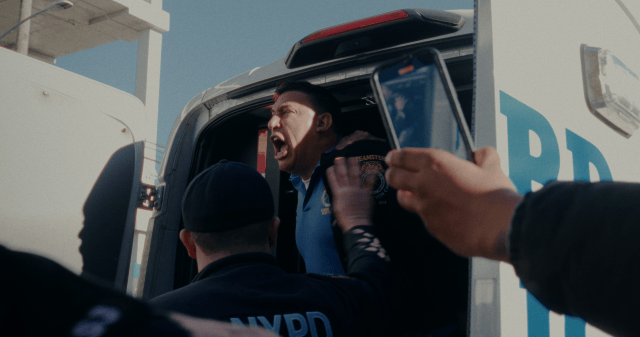
Legendary documentarian Barbara Kopple returns to her labour roots with “Union Town,” a potent and affirming look at collective action in New York City in a highly digitized modernity of convenience.
“Ancestors,” David Turpin’s debut film, explores the profound questions of life and afterlife through the relationship between two gay men, Beau and Tiny, in 1980s London amid the AIDS crisis. Through dreamlike sequences and a mythical character named Gloria, the film captures the haunting grief and loss of a generation while echoing the elusive nature of memories and emotions tied to their experiences.
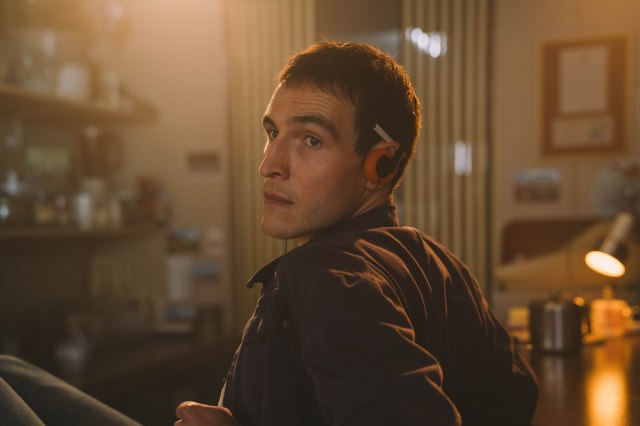
“The Remotes” is an intricate exploration of grief and technology, woven through the journey of a detective investigating bizarre car accidents influenced by a voice app. Director John Torres employs disorienting perspectives to highlight how modern technology can deepen alienation, while simultaneously illuminating the human need for connection amidst loss.
John Trengove’s third feature, “The Smell of Apples,” is a sensitive, often shocking depiction of the violences of South African apartheid from the privileged perspective of those complicit in its perpetuation.
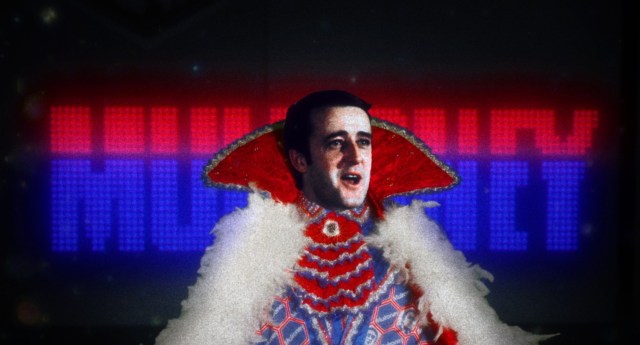
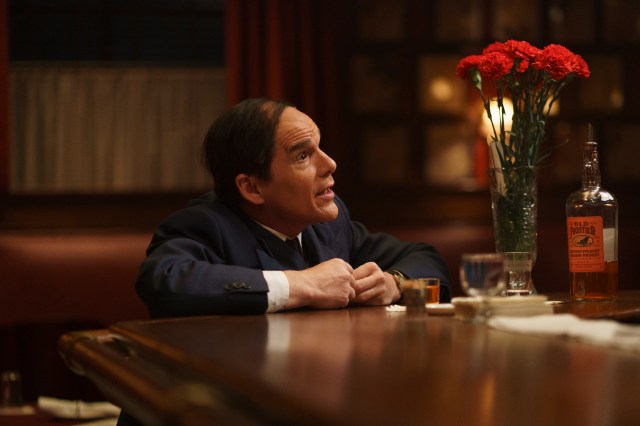
Blue Moon explores the dualities of Lorenz Hart’s life, contrasting his public persona as a talented songwriter with the private struggles of his depression and alcoholism. Set in Sardi’s, the film illuminates Hart’s tragic fate and complex relationships, ultimately honouring his artistic legacy while revealing the painful divide between his aspirations and his fractured reality.
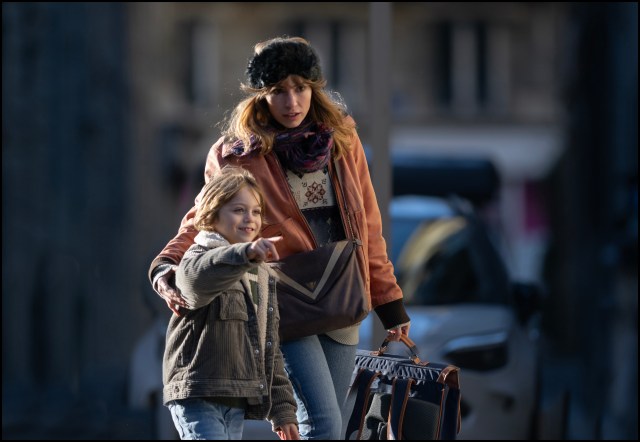
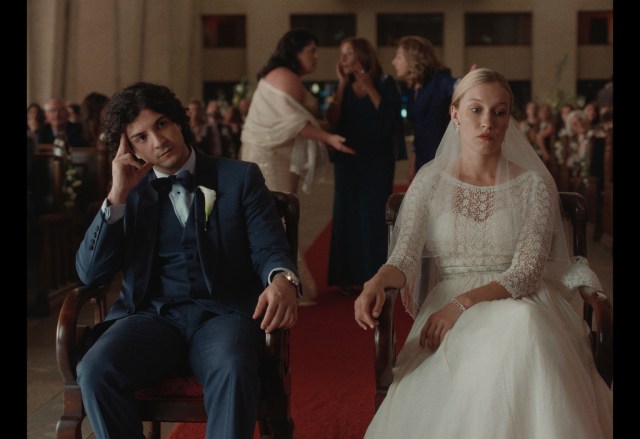
Lovely Day is a comedic film directed by Philippe Falardeau which portrays a chaotic wedding day filled with family tensions and personal anxieties. Despite some character depth issues, it offers an entertaining, unpredictable experience.
Ulises Porra’s debut film “Under the Same Sun” excels in its cinematography by Sebastián Cabrera Chelin, capturing the natural beauty of Hispaniola. It revolves around three diverse characters—a Spanish heir, a Chinese silk maker, and a Haitian deserter—navigating personal ambitions amidst colonial challenges. The film critiques colonial exploitation while offering a fresh perspective on its historical themes.
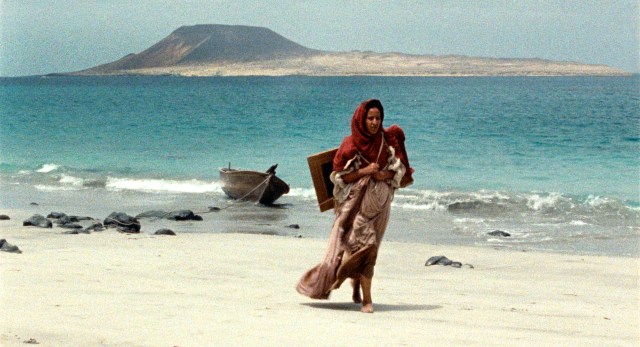
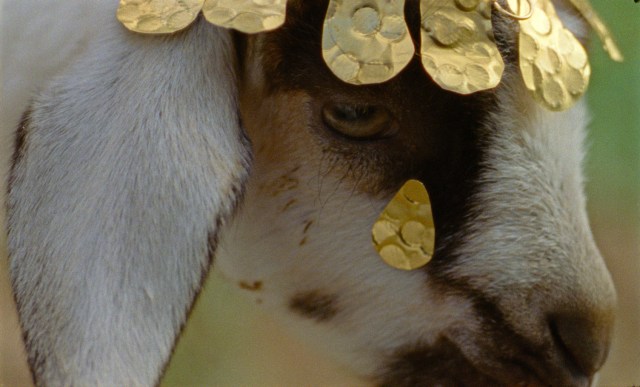
Maureen Fazendeiro’s debut film is a blend of documentary, travelogue, and visual poetry, exploring the Portuguese region of Alentejo. It reflects on its past and present, showcasing cultural rituals and the serene life of its rural community. The film, while not exhaustive, honours the region’s enduring traditions amidst changing times.
Christian Petzold’s “Miroirs No. 3” is a restrained yet poignant tale of grief, healing and unlikely connection. Eschewing dramatic twists, the film emphasizes quiet empathy, emotional recovery, and the redemptive power of art, music, and companionship.
Karla Badillo’s debut film “Oca” centers on a young nun grappling with her faith as various characters embark on a journey to a town in the Mexican desert. While visually striking and featuring a surprising ending, the film suffers from a lack of relatable characters, making it difficult for audiences to engage emotionally.
Mark Jenkin’s “Rose of Nevada” creates a dreamlike quality with its post-production sound, exploring themes of loss and temporal dislocation. It forces characters and viewers alike to confront deep emotional realities amid its stunning craftsmanship and surrealist elements.
Charli XCX makes her acting debut in the low-key Polish film Erupcja, where she plays Bethany, a young Brit caught in emotional turmoil amidst a volcanic eruption. The film explores complex relationships without judgment, highlighting the distinct desires of each character.
Georgian filmmaker Alexandre Koberidze’s film “Dry Leaf,” shot on an outdated cellphone, challenges conventional cinematic norms with its three-hour, low-fidelity presentation. It invites viewers to embrace its artistic uniqueness rather than focus on narrative fulfillment. The film explores beauty in simplicity and encourages deeper reflection on artistic expression beyond technological advancements.
Valentyn Vasyanovych’s film “To the Victory!” intertwines autofiction and metafiction, exploring postwar Ukrainian identity after the 2022 Russian invasion. The film delves into the struggles of returning—both to self and homeland—juxtaposing personal and national concerns while portraying Vasyanovych’s creative tensions and the complexities faced by displaced Ukrainians.
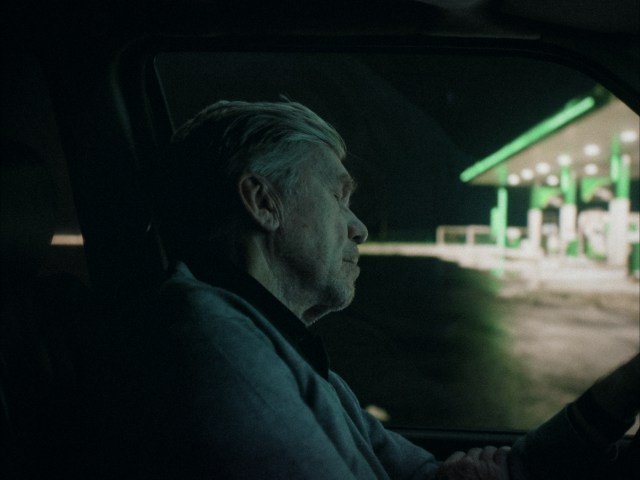
Nanouk Leopold’s film “Whitetail” follows Jen, a forest ranger haunted by a traumatic past. As she confronts new threats in her community and the return of her ex-boyfriend, emotional struggles and unresolved memories resurface. While the cinematography beautifully captures Ireland, the film’s pacing suffers, resulting in a bittersweet yet melancholic experience.