
I Don’t Feel at Home in This World Anymore is as scrappy as they come, colouring within the lines of the comic thriller, while also gunning for something more intellectually engaging.
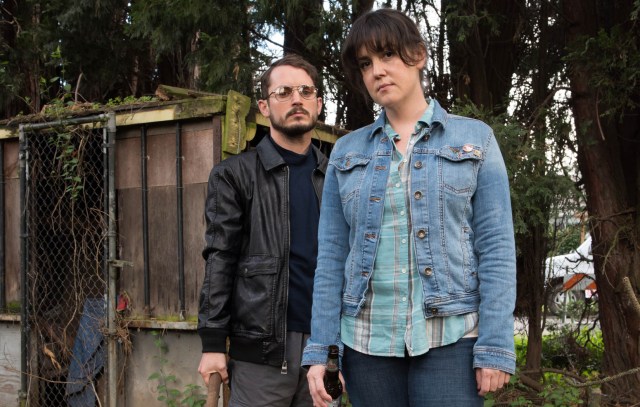
I Don’t Feel at Home in This World Anymore is as scrappy as they come, colouring within the lines of the comic thriller, while also gunning for something more intellectually engaging.
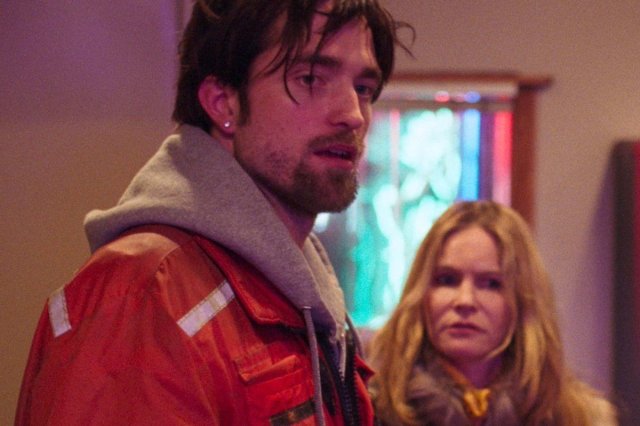
Good Time is gobsmackingly good. Thrillingly so. I’m in awe of what the Safdies achieve here, which is neo-noir (neon-noir?) and social realism mulched into a decayed panic attack.
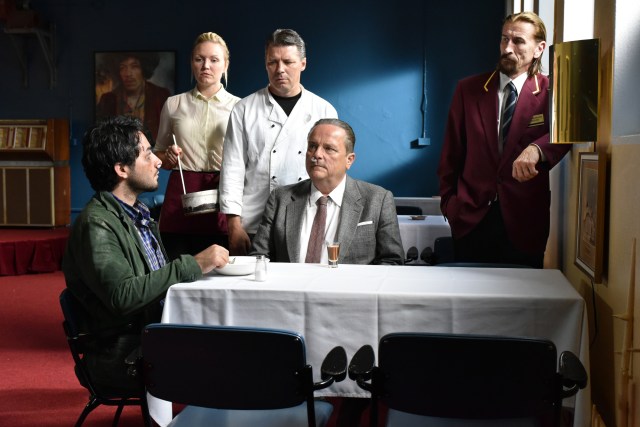
Aki Kaurismäki has done it again, folks. Back after a six year hiatus, his latest feature possesses all his trademarks: the slightly faded aesthetic; the po-faced performances; the scalding Finnish wit hibernating in drab décor and reams of cigarette smoke.
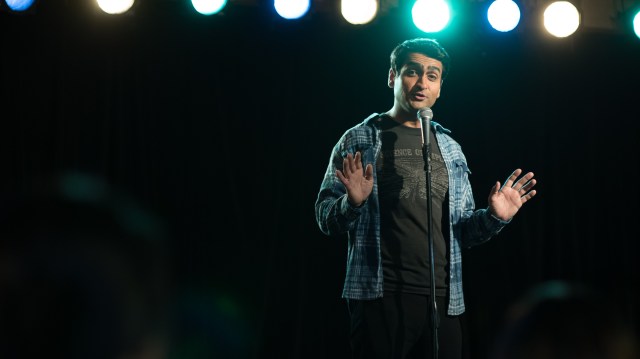
The Big Sick will not win any awards for its direction or style. And I’ll admit that that bothered me for the first half hour or so. It’s not an interesting film to look at, and Michael Showalter doesn’t seem to try giving it a boost in that area.

Everywhere you look is a story unfolding. Everything explodes with potentiality. From the crumbs of the mundane comes something magical and alive, and you must train your eyes to see it.

The ending of Marjorie Prime is magnificent. It’s the sneakiest of culminations, summing up everything that comes before it while giving significant payoff to a key “omission.”
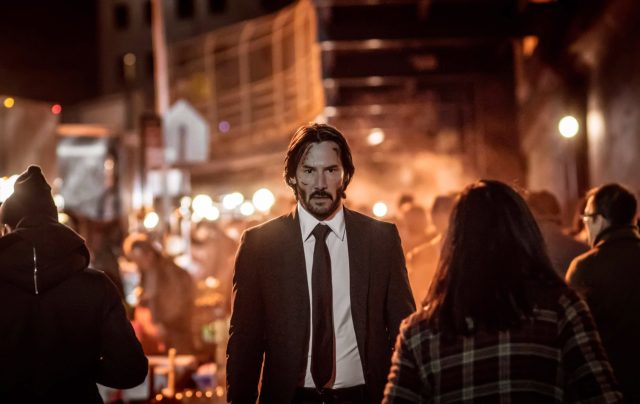
Am I no fun? Because I think John Wick: Chapter 2 is just okay. Not bad, not amazing, and certainly not as good as the first film.

Boy, is Murder on the Orient Express a hard book to adapt. Everything lies in that ingenious solution, and for it to work, a number of elements need to be kept intact. The most important one? The number of suspects.

Personal Shopper contains my favorite Kristen Stewart performance, and I would heartily argue it’s also her personal best.
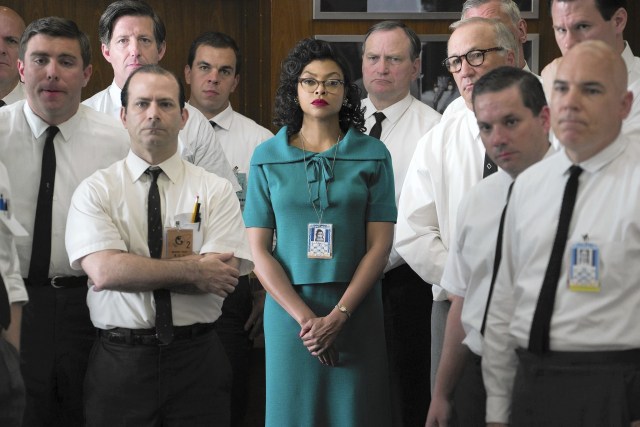
It painstakingly fenceposts its plot developments to an almost embarrassingly obvious degree, it wants your heart to swell as the protagonists overcome their adversities (and adversaries) and get where they want to be, and it doesn’t scream highbrow cinema at all—and is almost proud not to.
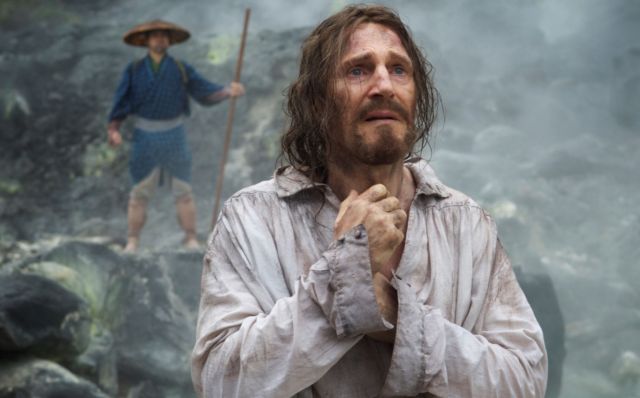
Trying to explicate all the resonances, nuances, brushstrokes and calibres that make up this staggering (yes, staggering) masterwork would take a long time, and it’s time I, sadly, don’t have.
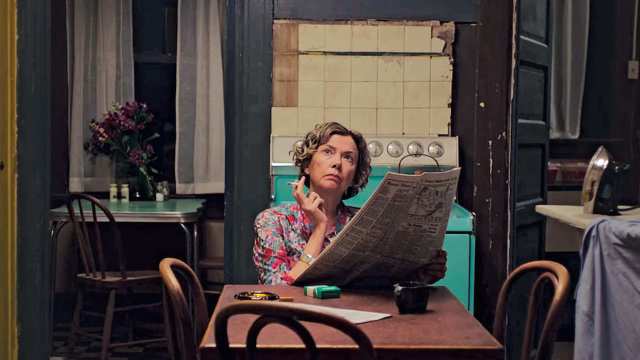
I wasn’t alive during the 1970s, so I can’t speak as to the “accuracy” of this film getting the period and its anxieties right (although I take it for granted that it does). So I had to find my own entry point into this deeply personal, reflective film.

I could have done without the blatant allegorizing, which is dialed 1-800-TOO-MUCH to the point of self-parody at times.

This slice-of-life documentary from Gianfranco Rosi is an important watch at a time when Muslim migrants and refugees are being vilified under the Trump presidency. It’s easy to forget that many of them don’t use planes to seek asylum—most have to do so by boat, and the route from Africa to the Sicilian island of Lampedusa is particularly deadly.
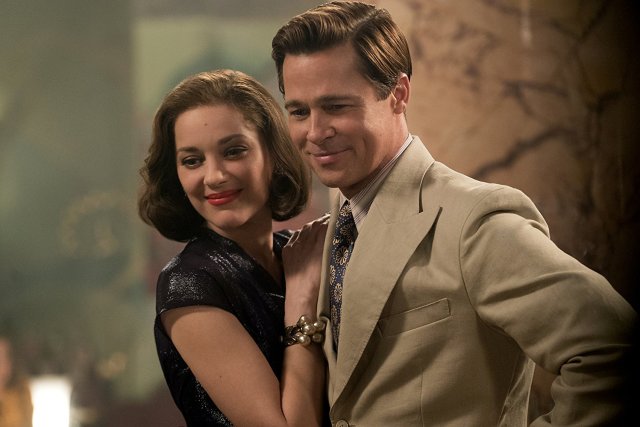
To tell the truth, Allied would have been infinitely more interesting if the roles were reversed, and it was Cotillard who was investigating Pitt as the potential spy.
 The Lonely Film Critic